Second Place Is the Race Now
Both Formula 1 titles are settled before Las Vegas. What remains is a five driver contest for second place covered by 33 points, a constructors' fight for third, and a cold night circuit where, Pirelli warns, the tyres may not wake up at all.
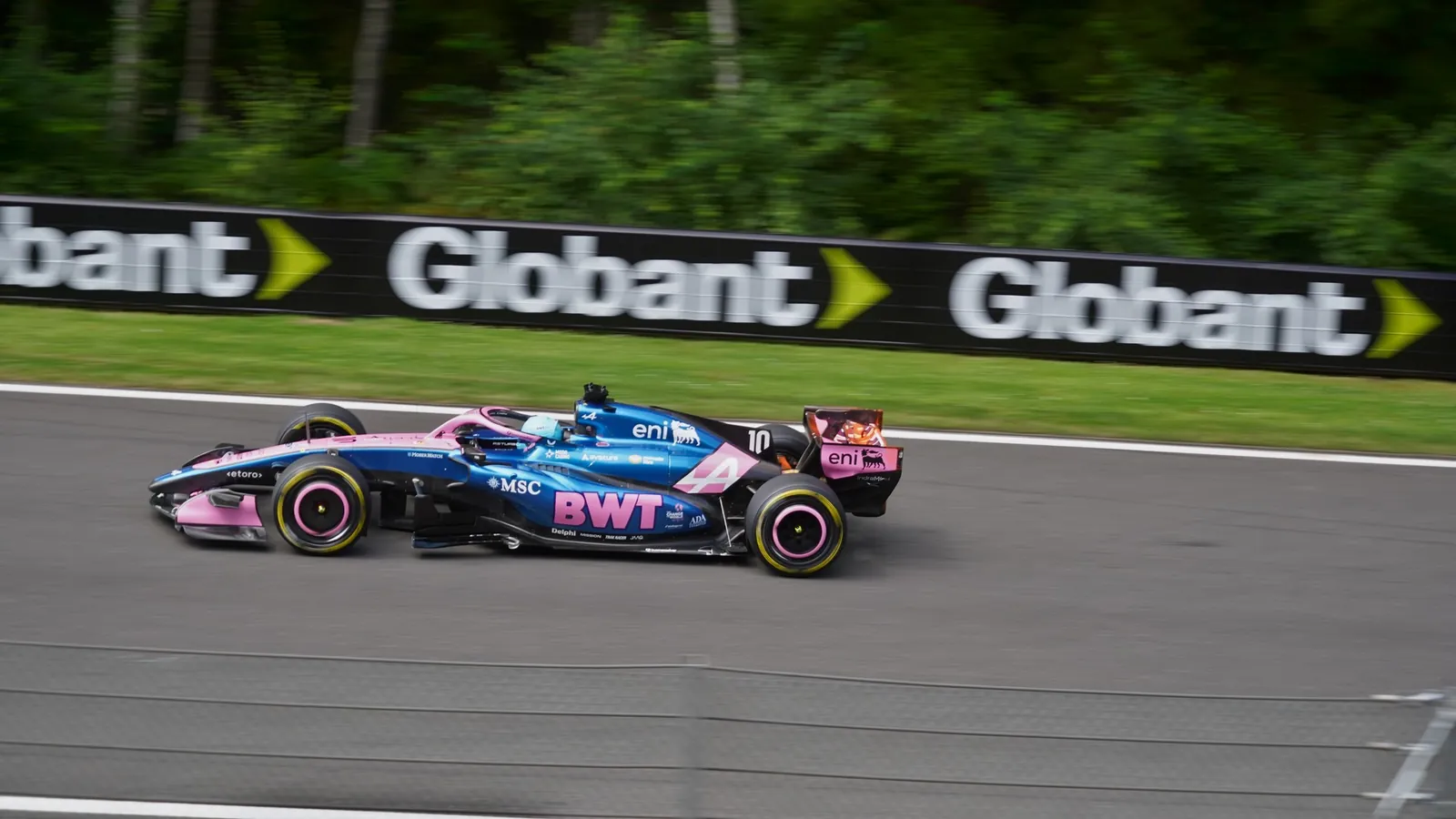
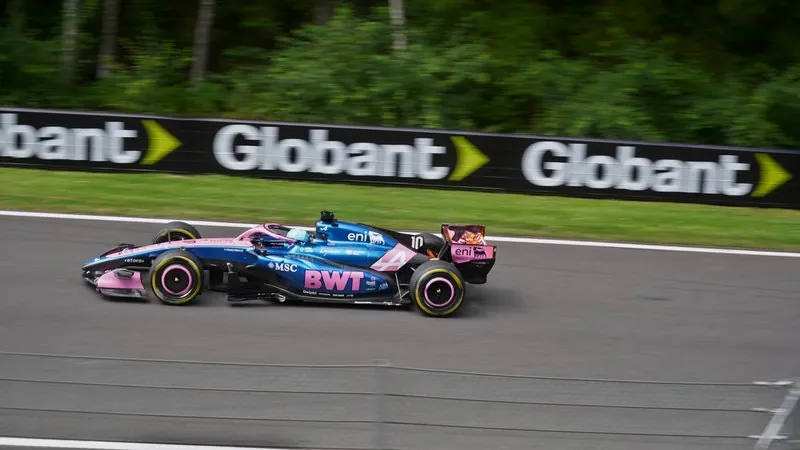
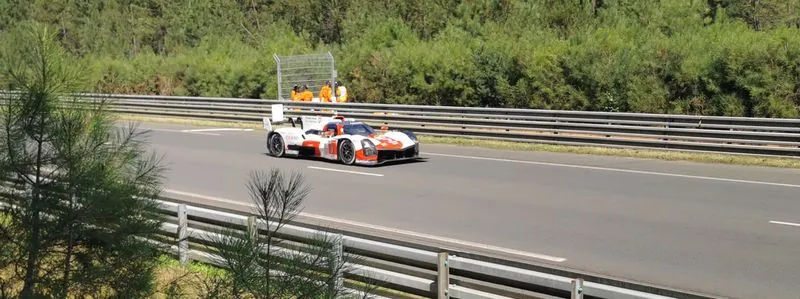
The Las Vegas Grand Prix, round 21 of 23, opens the final triple header of the Formula 1 season this weekend, with the race run on Saturday 21 November at 20:00 local time on the Las Vegas Strip Circuit. It is the first race of the year with nothing left at the top of either championship. Kimi Antonelli arrives as world champion on 390 points, his title settled in Mexico City, and Mercedes arrive as constructors' champions on 652 points, their title settled at Sao Paulo, 142 points clear of Ferrari. A season that has been decided early could drift through its last three rounds. The standings below the champions suggest it will not.
The titles are settled. The race, properly understood, is not.
Thirty-three points, five drivers
Second place in the drivers' championship is held by Max Verstappen on 279 points. Behind him, George Russell has 262, Lewis Hamilton 261, Charles Leclerc 249 and Lando Norris 246: five drivers covered by 33 points, with 75 points still available across Las Vegas, Qatar and Abu Dhabi and no sprint races remaining. Form points in two directions at once. Norris won at Sao Paulo from pole position, while Verstappen drove from 21st on the grid to second place in the same race after a penalty for new power unit components. In the constructors' standings, Ferrari hold second, but third place is open: Red Bull have 415 points and McLaren 398, a gap of 17 points that one strong weekend can close. Las Vegas has also been kind to the two men at the head of this contest: Verstappen won the race in 2023 and 2025, and Russell won it in 2024.
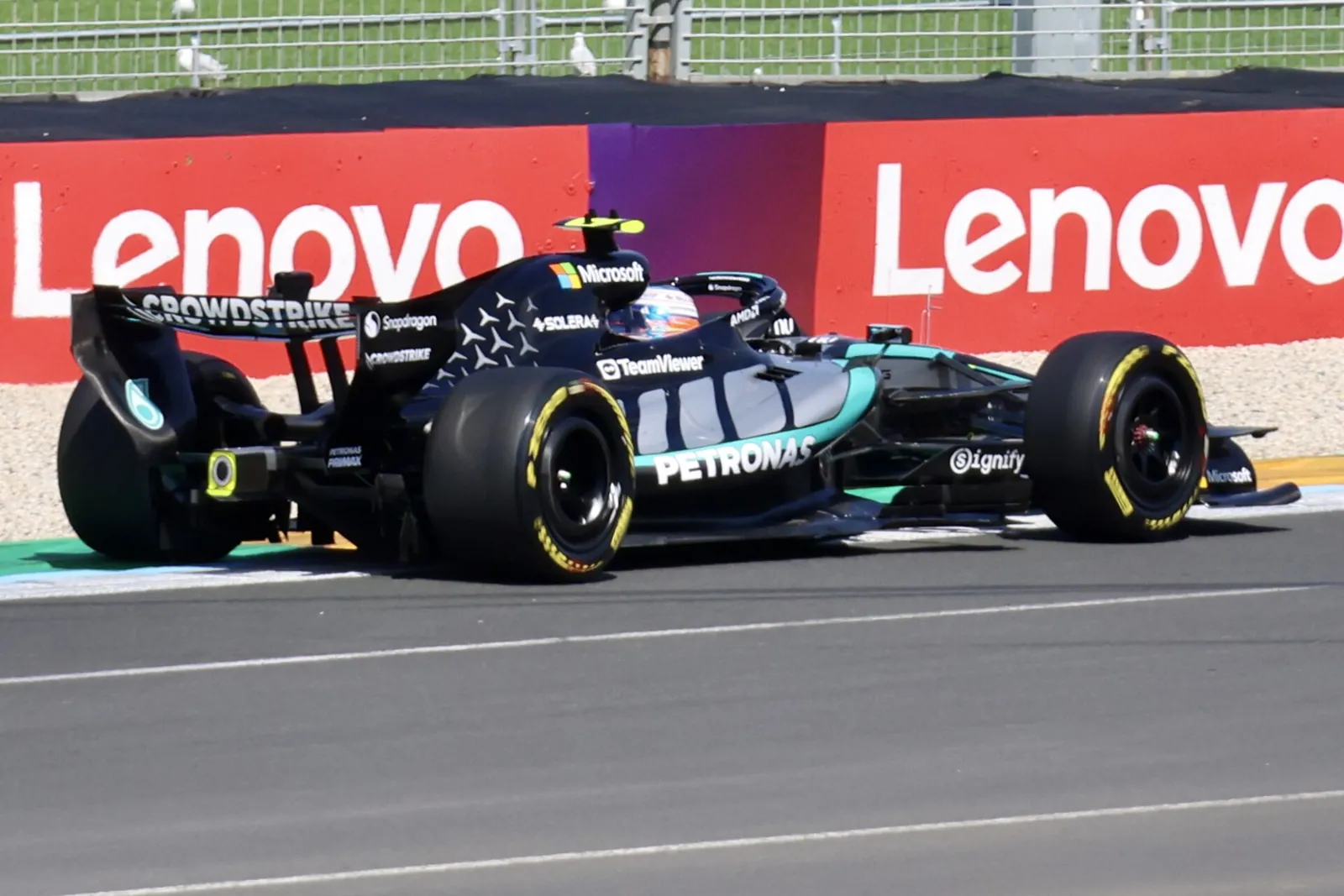
A circuit that cools its own tyres
The circuit itself is the other contestant. The Strip Circuit measures 6.201 kilometres with 17 corners, and the race covers 50 laps and 309.958 kilometres, much of it at full throttle along the Strip itself. Long straights are restful for a tyre: they give it time to cool. Pirelli has selected its softest trio of compounds for the weekend, the C3 as hard, the C4 as medium and the C5 as soft, a choice its 13 November announcement attributes to the low temperatures typically experienced at this time of year and the need to bring the tyres quickly into their operating window. Each driver receives two sets of the hard, three of the medium and eight of the soft, with an extra set of softs reserved for those who reach the third part of qualifying, and every driver must use at least two different slick compounds in a dry race. This is also the first Las Vegas Grand Prix run under the 2026 regulations, with active aerodynamics in place of the drag reduction system on the long straights.
Pirelli's weekend preview, published by Formula 1, states the risk directly: “Graining could once again make an appearance due to the low grip levels and cool temperatures, as seen in previous editions of the race.” Graining tears the surface of a cold tyre that is sliding rather than gripping, and it costs time that no amount of tread depth restores. The same preview identifies brake lock ups at the end of the long straights as the second hazard, since a driver arriving at a slow corner on cold brakes and cold tyres has two problems arriving at once. Qualifying, where a preparation lap must generate temperature without destroying the tyre, may be the most technically exposed session of the weekend.
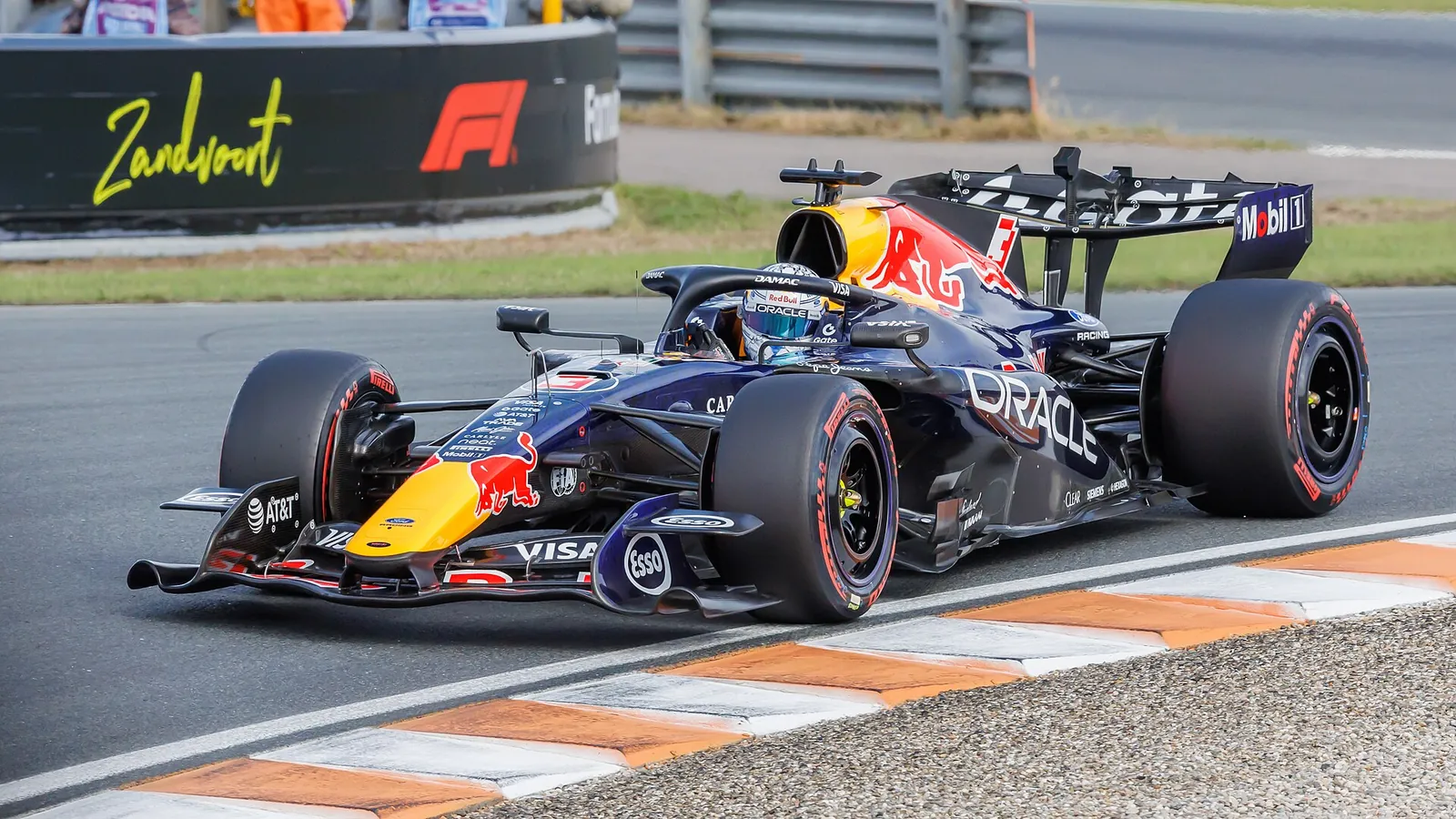
Why the undercut may not save anyone
Strategy offers less rescue than usual. Pirelli's assessment, again via Formula 1, states that “On paper, the fastest strategy is likely to be a one-stop race, with all three compounds potentially playing a role.” More unusually, the preview warns that the circuit reduces the effectiveness of the traditional undercut, because a tyre fresh from the pit lane cools rapidly on the long run to the lap’s demanding sections, eroding the advantage new rubber normally brings. A team that cannot rely on the undercut must win its positions on the road or in qualifying, which returns the weekend to its central skill: generating tyre temperature, on demand, in the cold, without damaging the surface that has to last the stint.
None of this requires a championship to be at stake to matter. Second place in a world championship is a career line, third place in the constructors' standings carries prize money and factory consequences, and a Saturday night race on a cold street circuit has already shown, in three editions, that it does not respect reputations. The titles are settled. The race, properly understood, is not.