Preservation vs Restoration: The Collector's Hardest Choice
A barn find with its history intact or a concours winner with its history erased? As the market learns to price originality, the preservation class has become the most interesting argument in collecting.
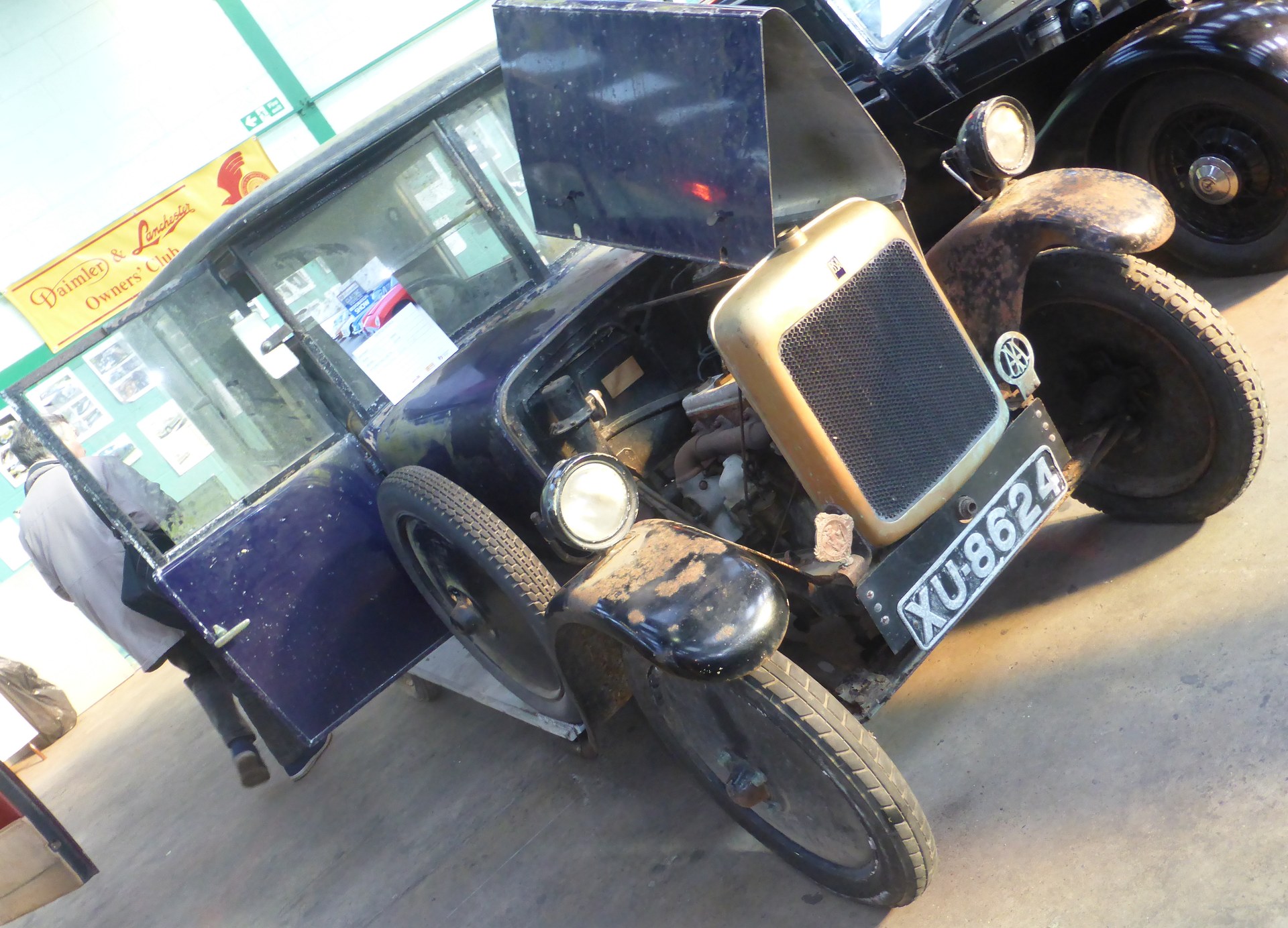
Every collector eventually faces the same question over the same car: restore it or leave it alone. For most of the hobby's history, the answer was automatic. Restoration, to better than new, to concours standard, was the only respectable choice. A tired car was a failed car. In the last two decades, that certainty has collapsed, and the most contested ground in the collector market is now the space between preservation and restoration.
Originality, it turns out, cannot be remade.
The case for preservation
An unrestored car is a document. Its paint, its interior wear, its stone chips and its patina record how it was used, where it lived and who loved it. Once stripped and repainted, that record is gone forever, replaced by a modern craftsman's interpretation of how the car once looked. The market has noticed: since Pebble Beach added its first preservation class for unrestored prewar cars in 2001, originality has moved from curiosity to currency, and the best-preserved original cars increasingly hold their own against, and sometimes ahead of, restored examples. Originality, it turns out, cannot be remade.
The case for restoration
But preservation has limits, and honesty requires stating them. Some cars are too far gone: structure corroded, interiors destroyed, mechanics seized beyond economic sense. A sympathetic restoration can save a car that would otherwise dissolve into the earth, and there is an honourable tradition of craftsmanship in doing it well. The choice is not between virtue and vandalism. It is between two kinds of respect: respect for the car's history, and respect for the car's future as a working machine.
The analysis: the question to ask
The market's verdict is increasingly clear: preserve what is honest, restore what is lost, and never confuse the two. A car with surviving original paint and a known history should be stabilised, not stripped. A barn find that is structurally unsound deserves a restoration that honours its specification. The hardest choice in collecting is also the simplest test of a collector's judgement: can you tell the difference between patina and decay. If you can, you will almost always know what to do.