Paris 2026: The Small Car Strikes Back
The 91st Mondial de l'Auto opens on 13 October with more than 100 exhibitors across five halls. The themes are retro design and the return of the small car, from a reborn Audi A2 to a new Citroen 2CV priced under 15,000 euros.
The Paris motor show is back, and it has chosen its battlefield carefully. The 91st Mondial de l'Auto opens to the public on Tuesday 13 October at the Expo Porte de Versailles, with a media day on 12 October, more than 100 exhibitors and at least 60 car makers spread over five halls. Stellantis and Renault Group are out in force on home turf. But the interesting story is not the scale. It is the subject matter: two themes dominate the advance billing, retro design from Europe's heritage brands and the resurgence of the small car.
Europe's old marques are mining their back catalogues for the electric age, and the small car is where the design energy has gone.
The return of the icons
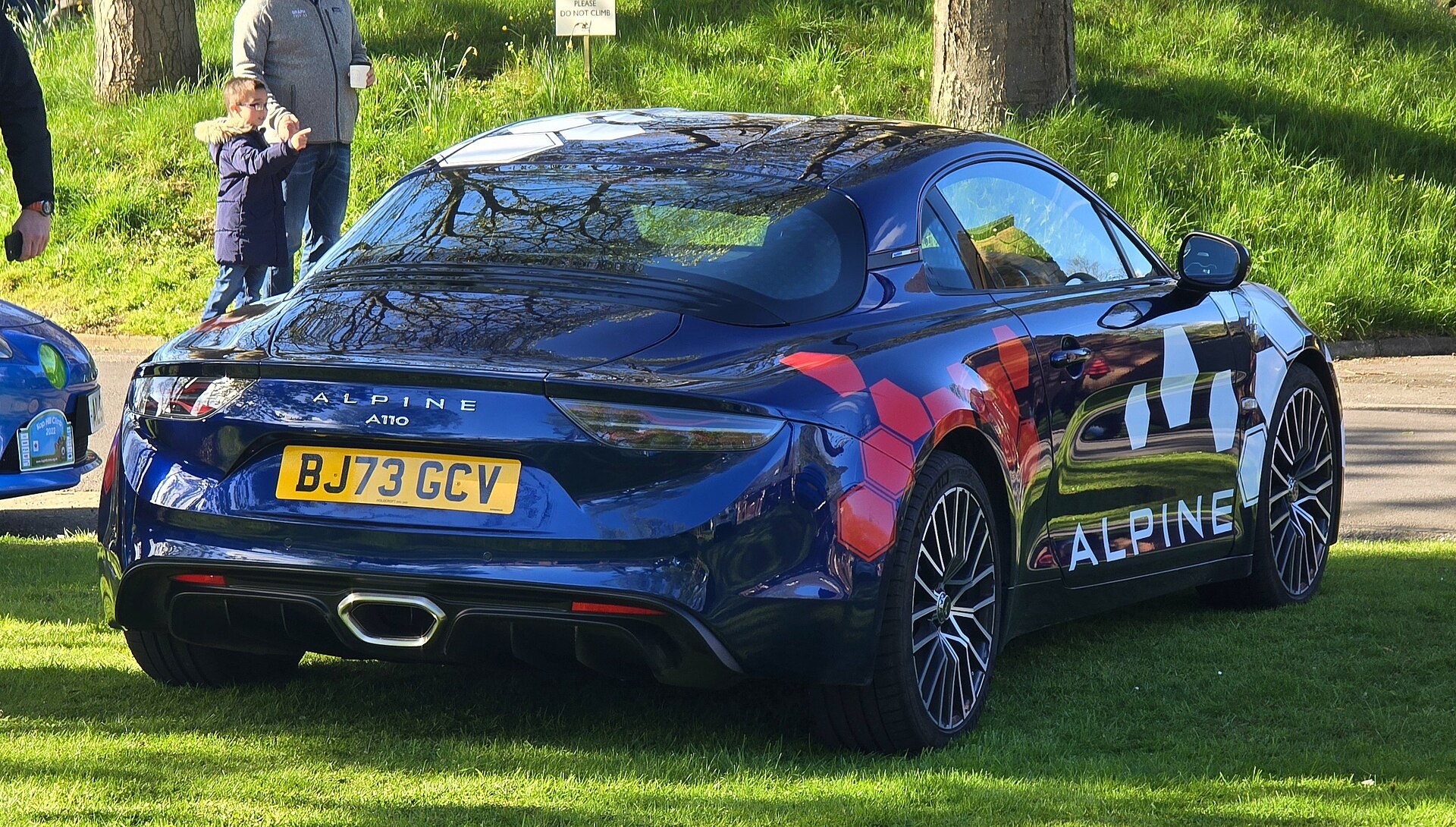
Audi is bringing back one of its most evocative names, the A2, reshaped as a super-efficient electric family hatchback based on the VW ID.3 Neo. The original A2 was an aluminium-bodied efficiency experiment two decades ahead of its time; its return as an EV suggests Audi believes the market has finally caught up with the idea. Citroen, meanwhile, has confirmed a first glimpse of a new-era 2CV city car, with boss Xavier Chardon committing to a price under 15,000 euros under new EU E-Car rules being drawn up in Brussels. And Alpine has confirmed it will unveil elements concerning the next-generation A110, its iconic sports car, after a development mule climbed the hill at the Goodwood Festival of Speed this summer.
Alfa Romeo is keeping its cards closer, teasing only a concept it describes as the car every Alfista has been waiting for, embodying the brand's vision for the future. Peugeot promises all-new concept cars blending heritage expertise with what it calls a power and emotional statement. The pattern is unmistakable: Europe's old marques are mining their back catalogues for the electric age.
Small is the new premium
The second theme is size. Smart is developing its next-generation ForTwo city car, the #2. Dacia will show the new Spring small city car alongside the Striker, a blocky hybrid family fastback. Fiat brings the Multiplina, a four-seat electric quadricycle, plus the Grizzly crossover in SUV and Fastback forms with mild hybrid and electric powertrains. Skoda counters with the Epiq small electric SUV and the Peaq, its new seven-seat flagship. Cupra shows the Raval electric supermini on the new MEB+ architecture, and BYD answers with the Dolphin G hybrid supermini aimed squarely at the Renault Clio and Toyota Yaris.
This is Europe's answer to a decade of bloat. As Chinese brands have pressed in with keenly priced electrics, the continent's manufacturers have rediscovered the segment they invented. The small car is where the volume is, and increasingly where the design energy is too.
The analysis: what Paris tells us
Motor shows were supposed to be dead. Paris 2026 suggests they have simply been waiting for something worth saying. The convergence of retro and small is not nostalgia for its own sake; it is a commercial strategy. Heritage names like A2, 2CV and A110 carry emotional equity that no startup can buy, and small cars carry the margins of scale. For the luxury end of the market, the signals matter too: DS will give the No7 SUV its public debut, Denza is expected to bring its 1,300 hp-plus Z electric supercar after its Goodwood reveal, and there is even unconfirmed talk of AMG showing its wild Mythos coupe. Paris has always been the show where the industry thinks aloud. This year, it is thinking small and remembering everything.


