
The 911 Will Never Be Electric: What Porsche's Weissach Strategy Really Means
At its capital markets day on 7 October, Porsche drew a line around the 911, confirmed a mid-engined halo above it, and committed the 718 to electric-only. Sportwagenschmiede '35 is the industry's clearest statement yet that the transition will be managed by hierarchy, not by hedging.
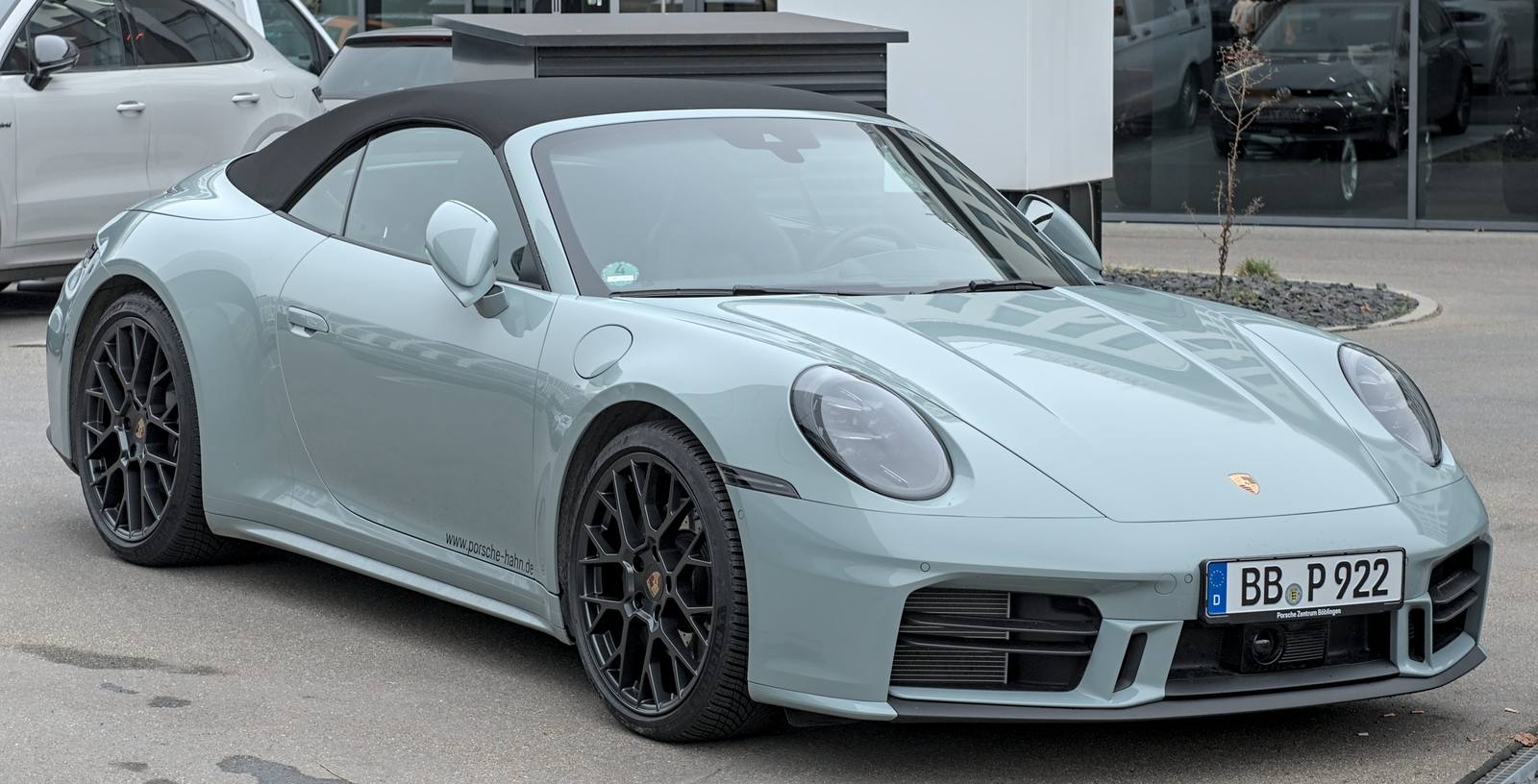
The most important sentence spoken at Porsche's capital markets day on 7 October 2026 was ten words long. I can assure you: the 911 will never be electric. Michael Leiters, the company's chief executive, said it at Weissach during the strategy briefing the company calls Sportwagenschmiede '35, its plan to 2035. Everything else in the presentation was detail. That sentence was the strategy.
A 911 must be compact, light in spirit and rear-engined in character; a battery pack fights all three. Porsche has drawn a line around the icon and electrified everything else.
The strategy's name translates roughly as sports car forge, and the forging metaphor is doing real work. Porsche's diagnosis is that the premium electric transition moved slower than expected and China stopped being the growth engine the company was built around. The response is not to wait for conditions to improve. It is to rebuild the business around fewer, more expensive, more deliberately positioned cars: value over volume, stated as doctrine.
The halo above the 911
The detail that matters most arrives next week. On 15 October, at the Paris Motor Show, Porsche will reveal the Mission S concept, described by the company as our love letter to the sports car. It previews a new mid-engined super sports car platform positioned above the 911: the first dedicated halo architecture since the 918 Spyder. Trade reporting has long attached a flat-eight engine to the project, which would be a first for a Porsche road car; that remains unconfirmed, and Porsche has confirmed nothing about the powertrain beyond the platform's existence. What is confirmed is the positioning. Above the 911, mid-engined, and deliberately set apart from the rest of the range.
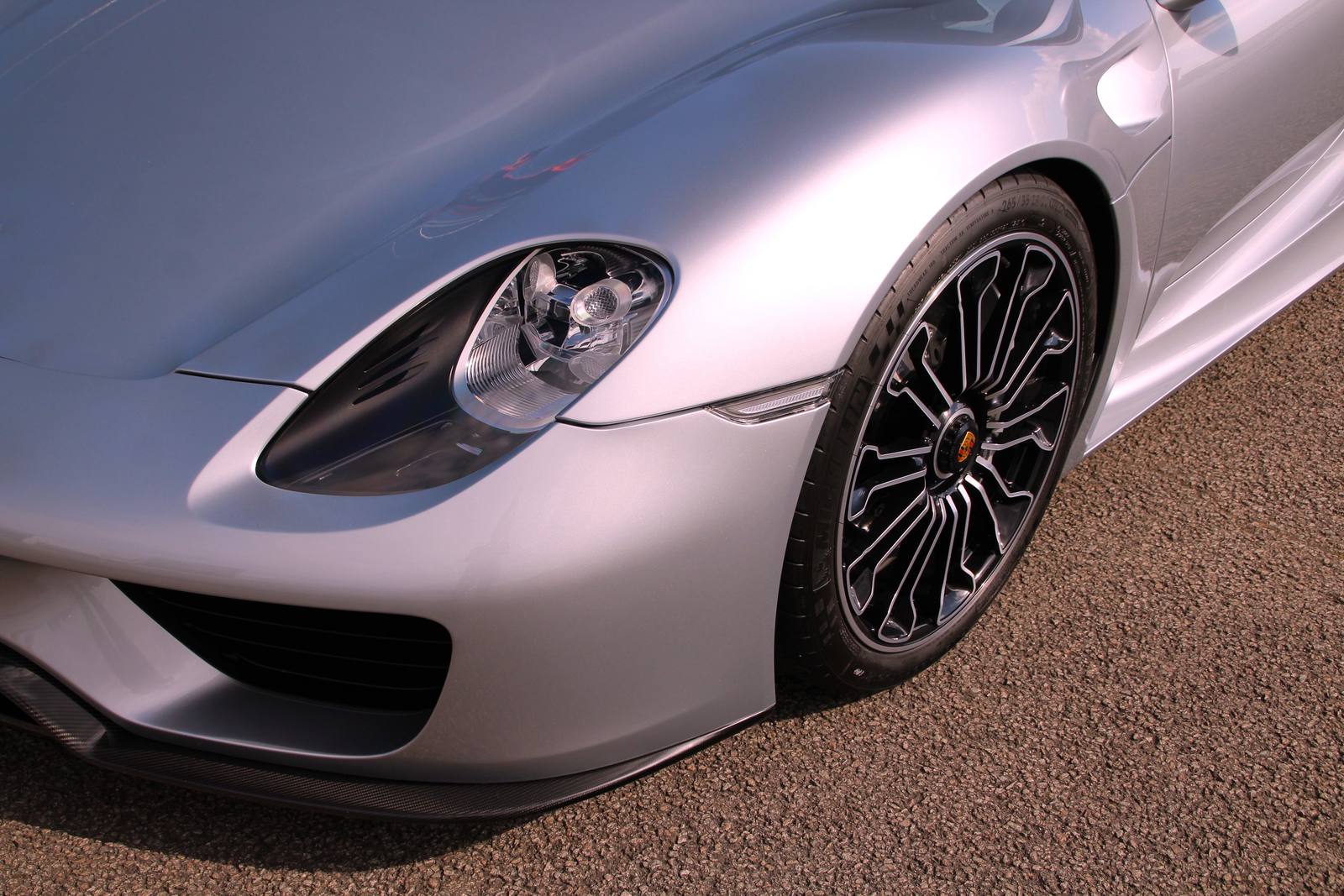
The engineering logic is worth pausing on. A halo platform is the expensive way to build a flagship: unique architecture, low volumes, no cost sharing to hide behind. Manufacturers do it only when the car has to do work nothing else in the range can do. Here the work is positional. The 911 is protected below by Leiters' ten words; the halo gives Porsche somewhere to put its most ambitious engineering without disturbing that protection. It is the same two-box thinking that produced the Carrera GT and the 918, and it suggests Porsche still believes the top of its range should be defined by engineering rather than by trim.
The 718 goes electric-only
The rest of the strategy is a sorting exercise, and the 718 drew the short straw or the long one, depending on your view of batteries. The Boxster and Cayman go electric-only: there will be no combustion successor, with the first full production year set for 2028. A new SUV arrives the same year with combustion and plug-in hybrid power on the PPC platform shared with Audi. Outlets disagree on its size: some describe it as Macan-sized, others as a smaller B-segment car, and Porsche has not settled the question publicly. Above the Cayenne, a larger flagship SUV, long known by its K1 codename, is expected to launch with combustion power first and an electric version later. The pattern is legible. The icons keep their engines or get dedicated platforms; the volume cars do the electrification work.
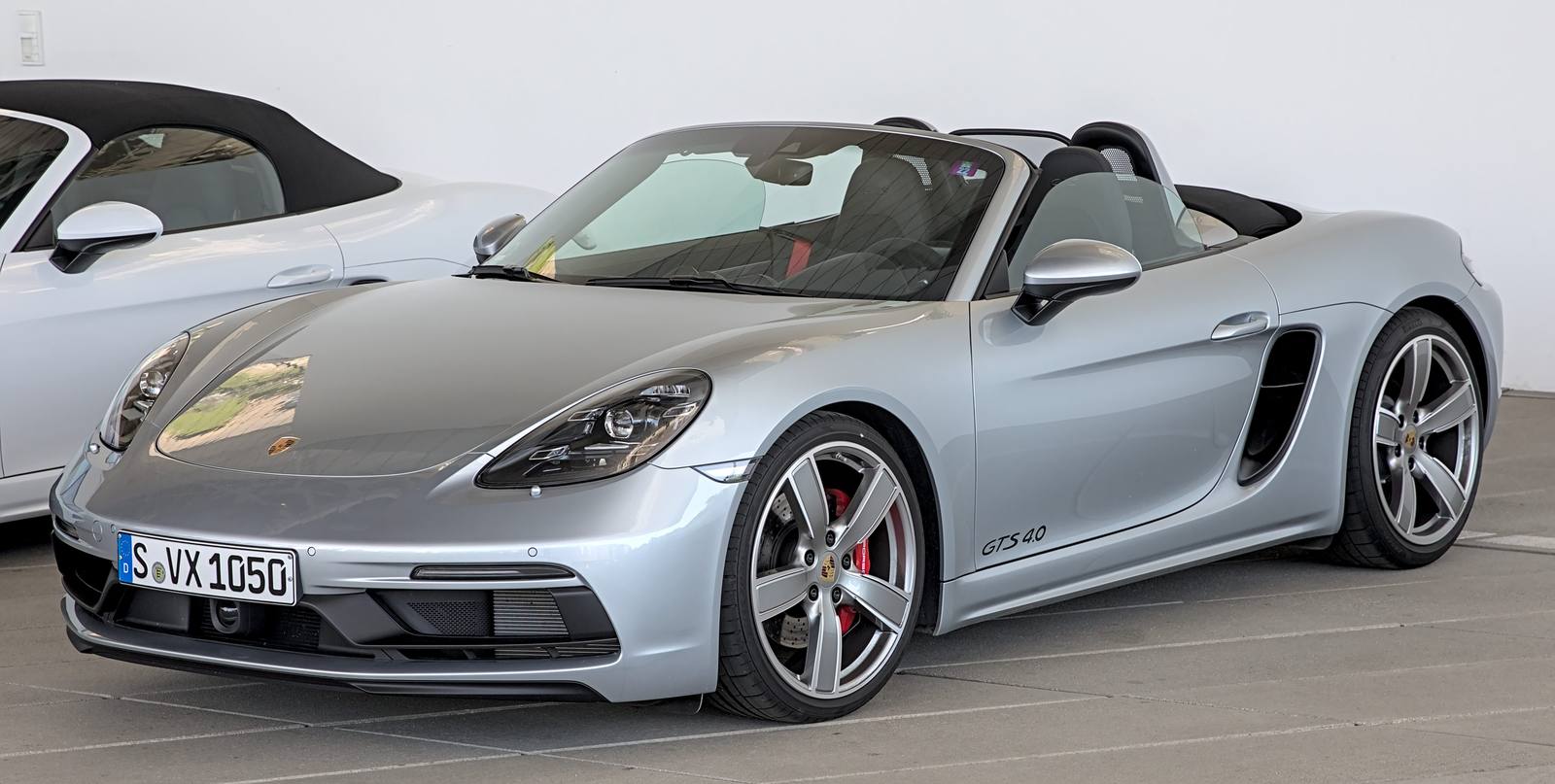
There is an engineering honesty in this split that deserves credit. A 911 must be compact, light in spirit and rear-engined in character; a battery pack fights all three. Rather than compromise the icon, Porsche has drawn a line around it and electrified everything else. The 718, smaller and more adaptable in brief, takes the electric sports car brief instead. It is the same logic Alpine is applying to the A110, and it is probably the only logic that works: decide which cars the battery helps and which it hurts, and stop pretending the answer is the same for both.
Fewer cars, more money
The numbers around the product plan are the Ferrari playbook, stated plainly. Porsche will cut model variants by about 20 percent while expecting sales per variant to rise by about 30 percent, grow the share of D and E segment models in its range by about 45 percent, and lift the average price of its top models by roughly a fifth. The company will expand its Sonderwunsch personalisation programme, aiming to grow sales from it sixfold, and targets at least one brand-defining product per year by 2030. The financial model, in other words, has been rebuilt to succeed at lower volumes: fewer cars, each carrying more margin, each required to earn its place.
Commentators have been quick to name the comparison Leiters did not: Ferrari's value-over-volume model. The parallel writes itself. The same week, Ferrari cut its own 2030 electric target from 40 percent of the lineup to 20 percent. October 2026 is shaping up as the month the premium industry stopped describing the EV slowdown as a temporary adjustment and started writing it into strategy documents.
The analysis: a two-speed Porsche
Read as engineering management, the strategy is unusually clear about the physics of the transition. Most manufacturers are still hedging the flagship question in interviews, promising everything to everyone. Porsche has now answered it on a stage, on the record, in ten words, and built the product plan around the answer: combustion and hybrid at the top, electric where the brief allows it, and a dedicated halo to keep the engineering ambition visible.
The risk is concentration. Fewer variants and higher prices mean each launch carries more weight, and the plan assumes demand for ever more expensive top models holds through a transition that has already humbled the industry's forecasts once. A flat-eight halo that misses its mark, or an electric 718 that fails to convince the faithful, would each leave a visible hole. But the clarity is the point, and clarity is a competitive advantage in itself. While rivals are still calibrating, Porsche has told its customers, its dealers and its engineers exactly where the company stands. The rest of the industry now gets to react, and the Paris show, with the Mission S on the stand, is where the reaction starts.


