The World Final Is a Race, Not a Reckoning
Sergio Paulet arrived in Barcelona as European champion and lost the world title in a single 30 minute race. That is not an injustice. It is the design of the Finali Mondiali, and on Sunday it worked exactly as intended.
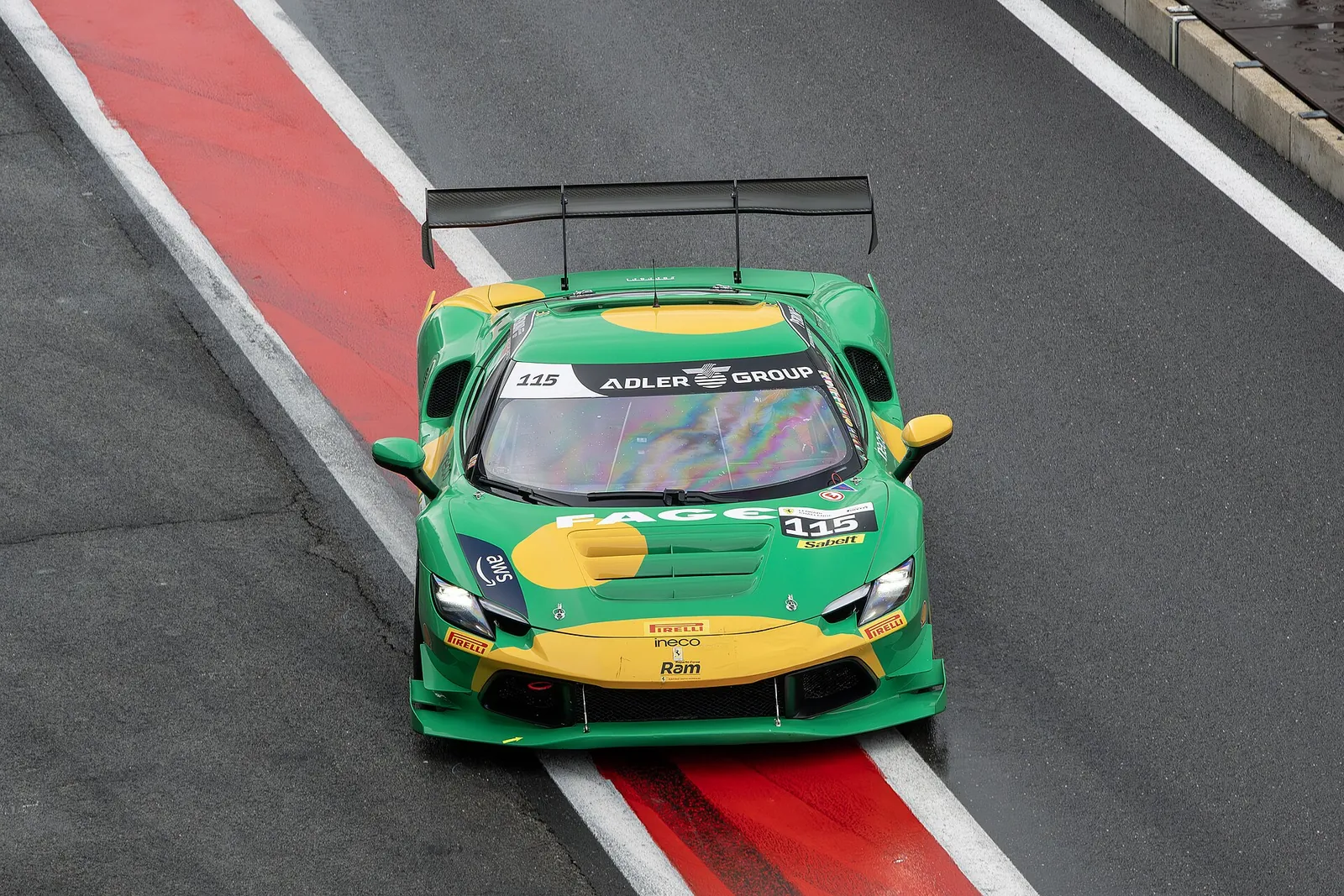
The 34th Finali Mondiali closed at the Circuit de Barcelona-Catalunya on Sunday 22 November with the three races that give the week its point: the world finals of the Ferrari Challenge. Six days of programmes brought more than 200 cars onto the track, and 15,000 spectators filled the grandstands and paddock across the weekend for an edition held outside Italy for only the sixth time. The continental championships had already been settled earlier in the week. Sunday was something else: one race per class, winner takes the world title, season form admitted as evidence but not as verdict.
The world final is the one appointment where the hierarchy has to be re-earned in half an hour.
Paulet's race, Abrahamsen's title
The Finale Mondiale Trofeo Pirelli made the distinction plainly. Sergio Paulet, the European champion, started from pole position in front of a home crowd and led until 15 minutes remained, when Niklas Abrahamsen of Formula Racing passed him and held the lead to the finish. Abrahamsen also set the fastest lap of the race, 1 minute 44.607 seconds. Paulet finished second, and Johnny Kaminskey, the North American champion, took third. A season of accumulated points had made Paulet the favourite. A single overtake, defended for a quarter of an hour, made Abrahamsen the world champion. Both outcomes are legitimate, and the tension between them is the reason the format survives: Ferrari's clients race all year for championships, then race once more, on equal terms, for a title that cannot be banked in advance.
The Trofeo Pirelli Am final produced the drive of the day. Michael Verhagen, who had already secured the European title in the class, started from the eleventh row of the grid and came through the field to pass Giacomo Rinaldo with a few laps remaining, adding the world title to his season. In the Coppa Shell, Eric Cheung started from pole and won a race that ended under Safety Car conditions, after Tony Davis, who had set the fastest lap at 1 minute 45.514 seconds, spun into the gravel with minutes left. Michael Owens finished second and Fons Scheltema third. Charles Chan won the Coppa Shell Am title, setting the fastest lap of his race at 1 minute 47.659 seconds in another final interrupted and finished under the Safety Car, ahead of Ian Morris and Aleksei Komarov. All four world champions drive for Formula Racing or Ferrari Warszawa entries that treated Sunday as the appointment of the year. The results sheet suggests they were right to. There is a further point in the Am results. Verhagen's win from the eleventh row, in a class reserved for non professional drivers, is the strongest advertisement the Challenge can make for itself: a season structured well enough that its amateur champion can win a world final from the back of the grid on merit, against the best of two continents, in a car identical to the one on pole.
The rest of the system, running
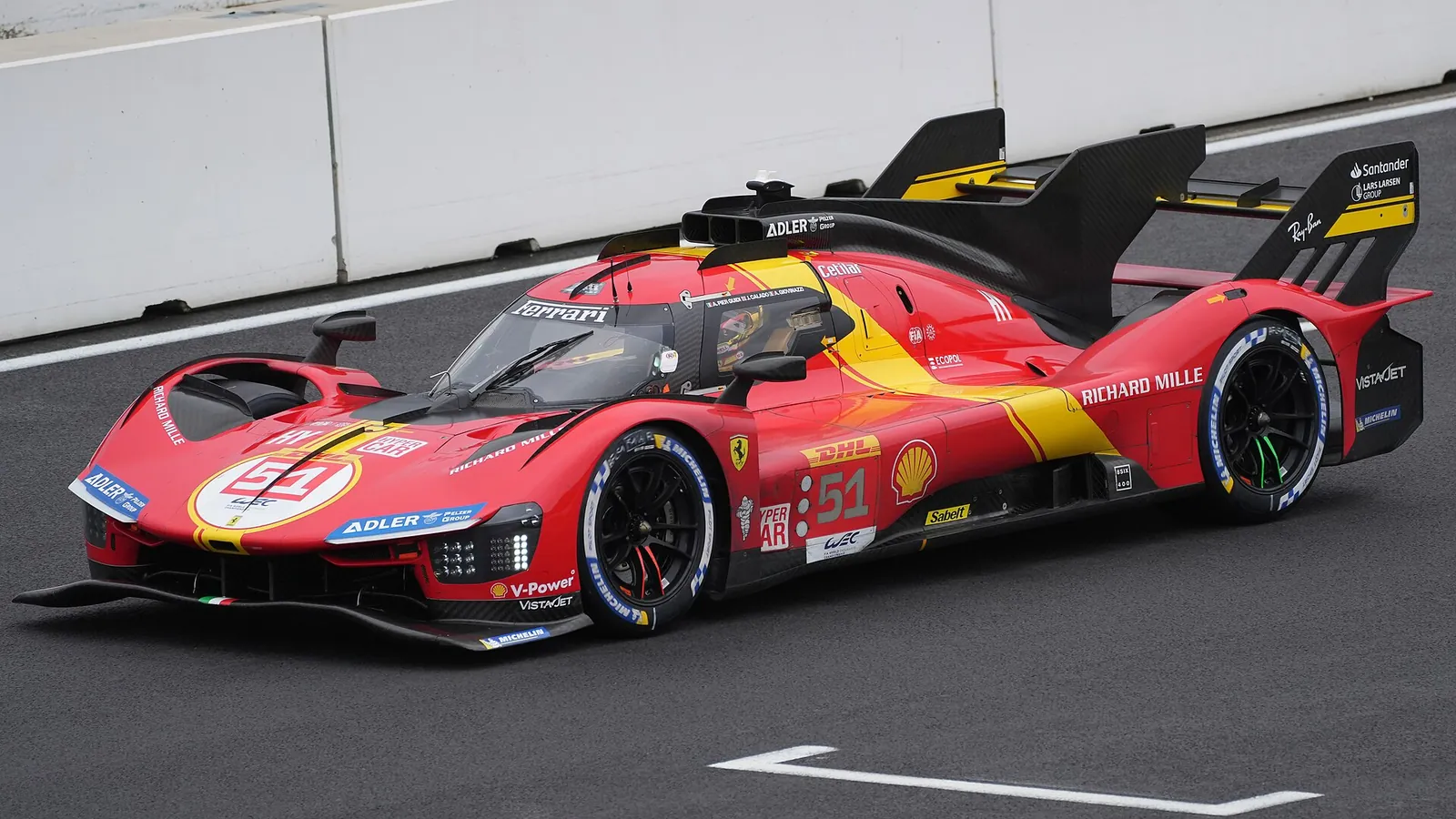
Around the finals, the non competitive programmes ran at full strength, as they had all week: 40 entries in Club Competizioni GT at 40 cars, F1 Clienti with 15 historic single seaters from the Scuderia's own past, Sport Prototipi Clienti fielding 27 examples of the 499P Modificata, and the XX Programme 40 cars strong on the 4.6 kilometre circuit. The closing Ferrari Show put the company's present tense on track together: the three 499P endurance cars, with Miguel Molina, Alessandro Pier Guidi and Phil Hanson driving, the new 296 GT Modificata in its first public appearance since its digital unveiling, Giancarlo Fisichella in the SF90 and Antonio Giovinazzi in the SF21. At the Saturday gala at Fira de Montjuic, Ferrari unveiled the two new 296 models covered elsewhere in this issue and announced that the 2027 Finali Mondiali return to Italy, at Imola, from 20 to 24 October 2027. Robert Kubica, honoured at the gala with the 499P, brought his World Endurance Championship career to a close at the same event.
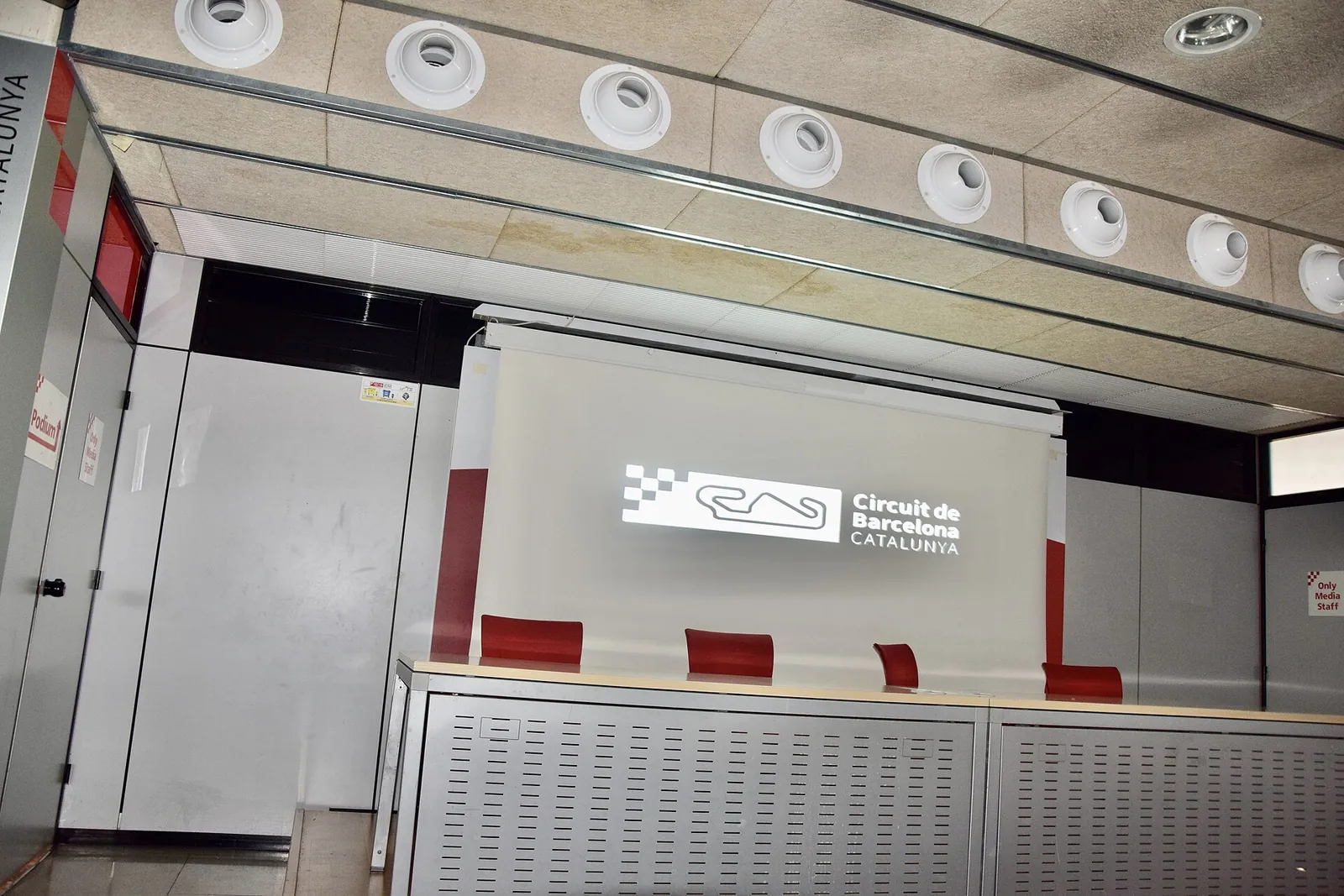
Read against the preview of this event published last week, Barcelona delivered what the format promises and one thing more. The week is Ferrari's client universe made visible: championships, custodianship, demonstration and celebration sharing one paddock. Sunday's finals are the part of that universe where status resets. Paulet leaves Spain as a European champion who lost a world final at home by one overtake. Abrahamsen leaves as the driver who made it. In a company town built on hierarchy, the world final is the one appointment where the hierarchy has to be re-earned in half an hour, and that is why the grandstands were full.